
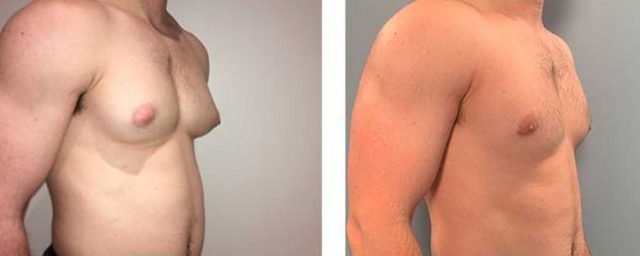
Gynecomastia is the enlargement of the breast tissue in males. The breast tissue in males gets enlarged mostly due to the increase in the fatty tissue, sometimes due to the growth of the glandular tissue or both. Breast enlargement is associated with the oestrogen hormone. Therefore, it is rarely seen in males. However; the loosening of the fat cells and the body form can cause the breasts in males to sag, get enlarged and lose its firmness after a certain age. This is an expected situation. On the other hand; enlargement of breasts in younger boys is a congenital disorder. Over-sensitivity of the male glandular tissue to the oestrogen hormone is the basic reason for gynecomastia. Other reasons may be; congenital disorders, hormonal disorders, obesity and imbalanced diet, use of alcohol, liver disorders. Patients applying to hospital for gynecomastia should be examined with respect to various hormonal disorders and internal diseases. Male breast can get enlarged particularly during puberty. It regresses towards the end of puberty and gains its standard form. If it doesn’t regress, boys may face problems in social life. These boys will prefer remaining in the background particularly when they need to take off their tops (pool, sea, sports activities etc.) and they tend to avoid such activities. They may have other problems such as posture disorders, issues of self-esteem or way of dressing. This is called ‘false gynecomastia’. It is a common case observed in males during puberty and it often subsides after this period. Breasts are slightly enlarged at the first stage of gynecomastia. There is enlargement but no sagging. At the third stage, breasts are extremely enlarged and sagging. Gynecomastia does not get well by medication, sports or exercises. It can be treated by surgery or some medical practices.
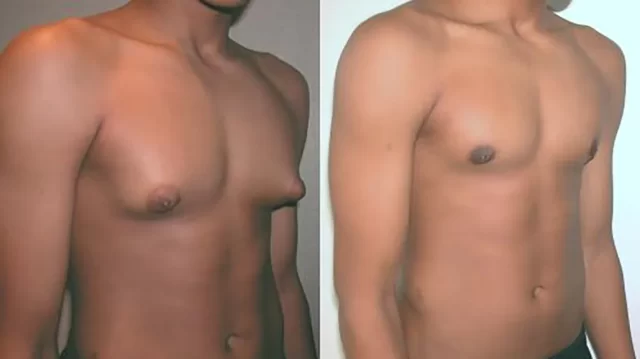
WHO NEEDS IT?
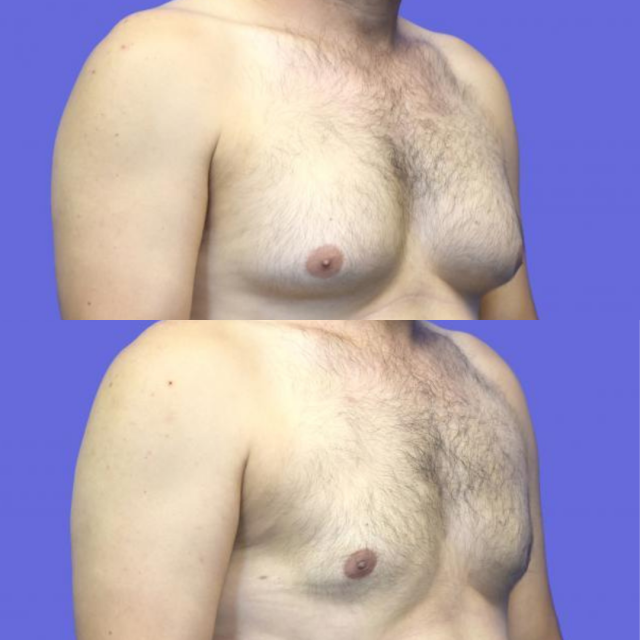
GYNECOMASTIA RECOVERY
In both ways of treatment, the patient wears a special corset designed to be used for the breast area following the operation, in order to support the protection and reshaping of the operation area. The corset is worn for around 1.5 months.