
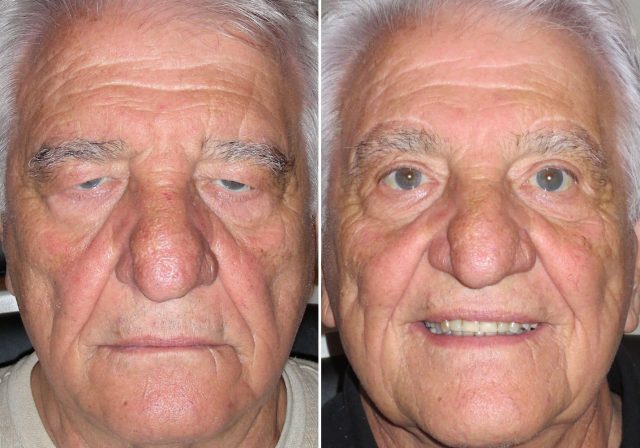
Blepharoplasty or Eyelid Surgery used to treat patients suffering from eye-related disorders such as eye bags, sagging, wrinkles, colour disorders and dark circles. These problems may occur due to the effects of ageing and gravity, insomnia, fatigue and genetic disorders. The adipose tissue particularly under the eyelid loses its firmness and tightness over time, which causes the eyelids to sag over the eyes. In most patients, excess skin and adipose tissue co-exist. Sometimes, dropping of the upper eyelid(s), which is called as ‘ptosis’ (due to trauma, nerve paralysis, congenital disorders etc.) can accompany this case. The patient’s sight deteriorates due to these reasons. The swelling of the adipose tissue under the eyes causes “eye bags”. “Crow’s feet” is the branching wrinkle at the outer corner of a person’s eye. All these eye and eyelid disorders cause a person look older, wearier and sick. Depending on the patients needs’ or demands’;
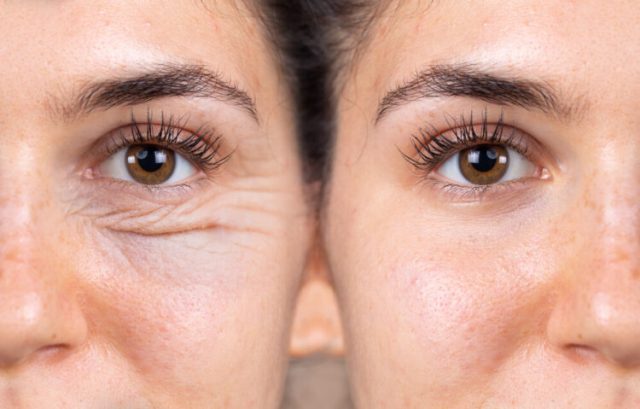
WHO NEEDS EYELID SURGERY?
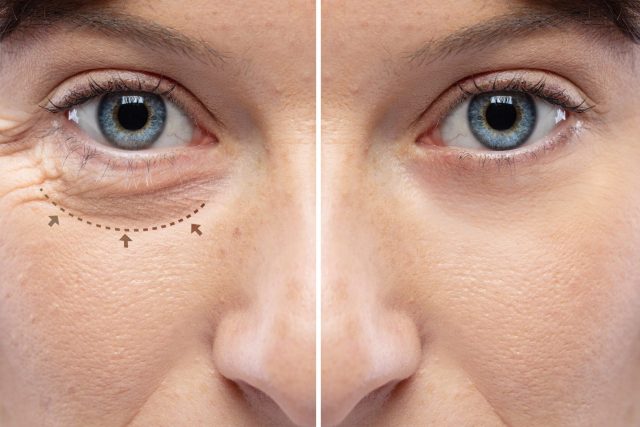
HOW IS IT PERFORMED?
In blepharoplasty surgery, the excess skin, muscular and adipose tissue of the eyelid are excised. Then these structures are anatomically closed one by one. When the upper eyelid is operated, the suture line is placed at the curve of the eyelid and it generally doesn’t leave a scar. When the lower eyelid is operated, the suture line is placed right below the eye lash and it generally doesn’t leave a scar. If the patient is suffering from volume-less eyelids instead of sagging eyelids, then fat is injected under the skin to help the eyelids regain their volume and firmness. This method is known as non surgical blepharoplasty.
BLEPHAROPLASTY RECOVERY
After the eyelid surgery, only the incision area is covered using a thin tape. It would help to apply ice in the first 24 hours.